
Bronze is an alloy of red copper (pure copper) and tin or lead, the color is greenish-gray due to oxidation, so it is called bronze, the melting point is between 700 and 900℃, lower than the melting point of red copper (1083℃). Bronze containing 10% tin has a hardness 4.7 times that of red copper.
Bronze in human history has left a colorful stroke, in the middle and late Neolithic era, gradually entered the stage of history, the emergence of bronze, to improve the productivity of society has played an epoch-making role, since the production of bronze and gradually replace the production activities into human beings, brought to the improvement of production efficiency, the productivity level of agriculture and handicrafts to improve the material living conditions are also gradually enriched.
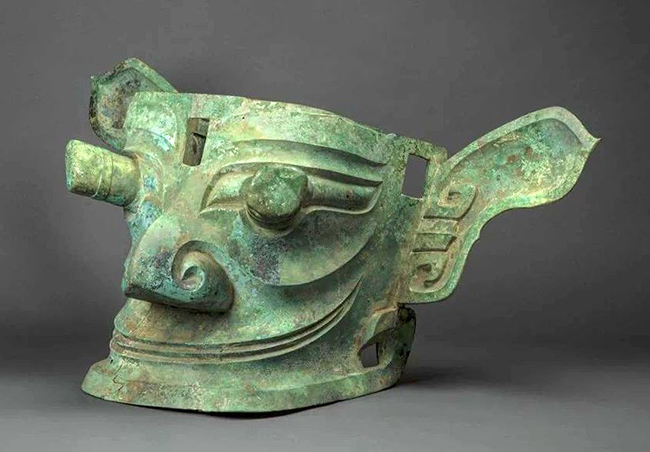
A stage of human cultural development marked by the use of bronze in archaeology, also known as the Bronze Age or Bronze Age, was first proposed by Academician Zhang Guangzhi. Chinese bronze culture, with its long history, exquisite craftsmanship, skillful technology and rich content, is the essence of the world’s cultural treasury.
Compared to the use of stainless steel in watch production, the use of bronze to make watches came relatively late and is more niche. The oxidizability of bronze has always been a drawback in the production of watches, and some watches made of red bronze require anti-oxidation treatments such as electroplating. The good thing is that the formation of the copper oxide film will be very good to protect the copper no longer continue to be oxidized corrosion, and the surface of the oxidized layer will show a very special sense of age.
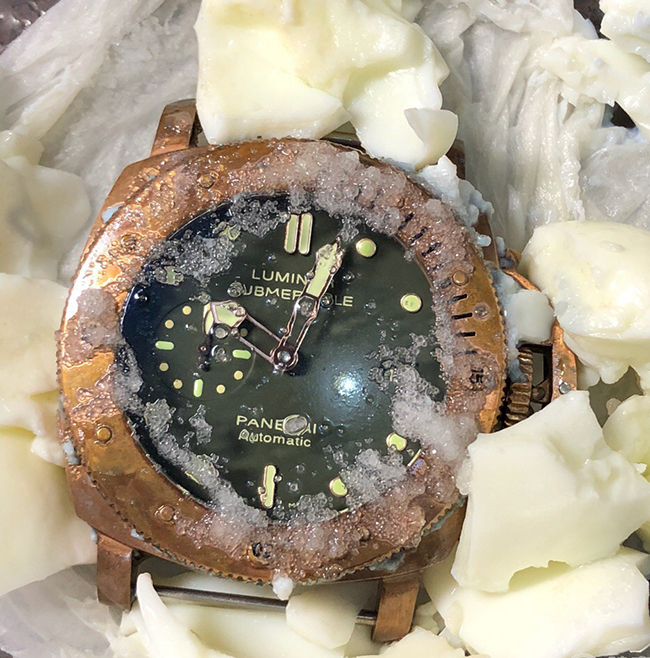
Bronze originally refers to copper-tin alloy, but the industry is accustomed to call copper alloys containing aluminum, silicon, lead, beryllium, manganese, etc. also bronze, so bronze actually includes tin bronze, aluminum bronze, aluminum bronze, beryllium bronze, silicon bronze, lead bronze and so on.
The bronze used to make wristwatches is generally tin bronze or aluminum bronze. Tin bronze is a copper-based alloy with tin as the main alloying element, and is widely used in shipbuilding, chemical, machinery, instrumentation and other industries; aluminum bronze is a copper-based alloy with aluminum as the main alloying element, and is called aluminum bronze. Aluminum bronze wear resistance and corrosion resistance in the atmosphere, seawater, seawater carbonic acid and most organic acids, are higher than brass and tin bronze. Beryllium bronze copper alloy with beryllium as the basic element is called beryllium bronze.
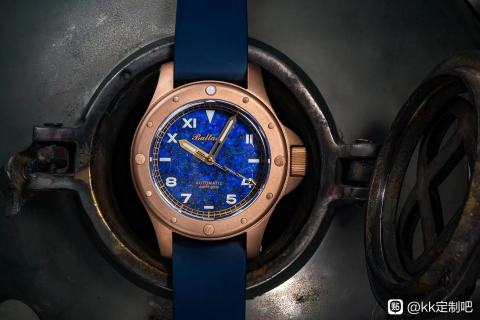
With the rise of vintage watches over the years, the unique vintage characteristics of bronze have made bronze watches more sought after. The vintage characteristics of bronze come from the oxidized effect on its surface and from the long history of bronze.
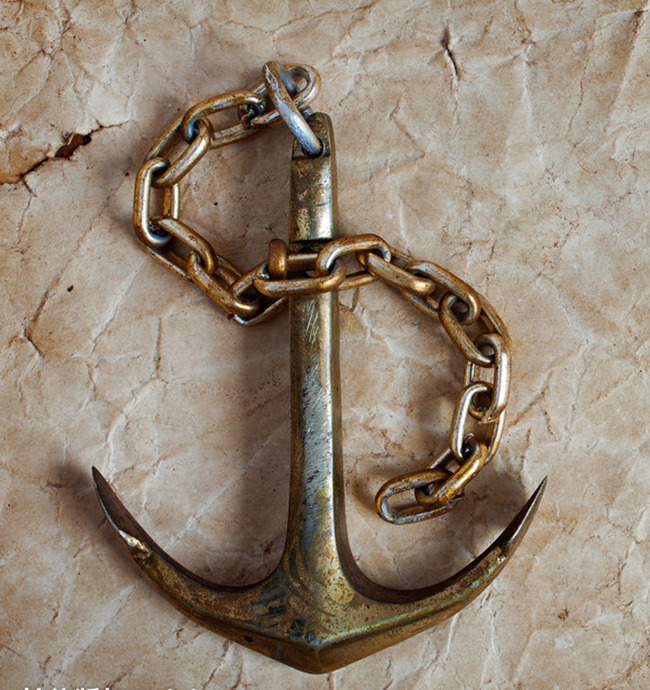
Before the birth of stainless steel, bronze has always been an excellent material for manufacturing ships due to its good corrosion resistance. This history of bronze’s relationship with navigation has also made bronze a historical footnote for dive watch materials.